
Homeowners
Knowing the right stuff gets you the right price.
Home insurance comes in many forms. The policy, the rating questions, and the coverage choices all matter — here's how we think about them.
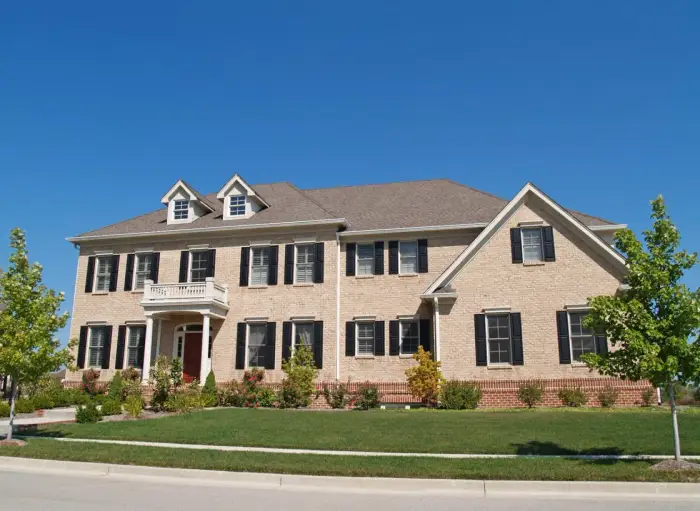
Dwelling, other structures, and contents — scoped separately.
Policy forms that match the home
Home insurance comes in many policy forms adapted to the type of home: homeowners (hazard) insurance, condo/co-op insurance, landlord (tenant) insurance, renters insurance, and builders risk insurance. Policies break down further into categories such as seasonal or secondary homes, vacant homes for sale or under renovation, and single-, two-, or multi-family homes.
What drives the rate
Once a home is categorized by its use, several underwriting questions determine the rate — the year the home was built, gas or oil heat, a flat or pitched roof, when the utilities were last updated, and whether there's a swimming pool, a fireplace, or a dog, among others.
Coverage choices that close gaps
The coverage section is where a knowledgeable insurance professional earns their keep — there are many options to sort through. Replacement cost versus actual cash value (ACV); dwelling and dwelling extensions; personal property; liability; medical payments; personal injury; water backup; and the all-peril and hurricane deductibles, to name a few.
Knowing and understanding your coverage is the key to not being unpleasantly surprised by a gap if you ever have a homeowners claim. We'll walk you through it.
Why McLear
Your dwelling — and everything standing beside it
Detached garages, sheds, docks, and bulkheads get missed in a quick online quote. We go through every structure so nothing's left out when you file a claim.
- Dwelling, other structures, and personal property scoped separately
- Replacement-cost guidance, revisited at every renewal
- Water backup, liability, and deductibles explained in plain English
Next step
Ready for a home quote?
A local agent reviews your property — not a call center.